


The Future of Aesthetic Technology in Modern Dermatology and Beauty
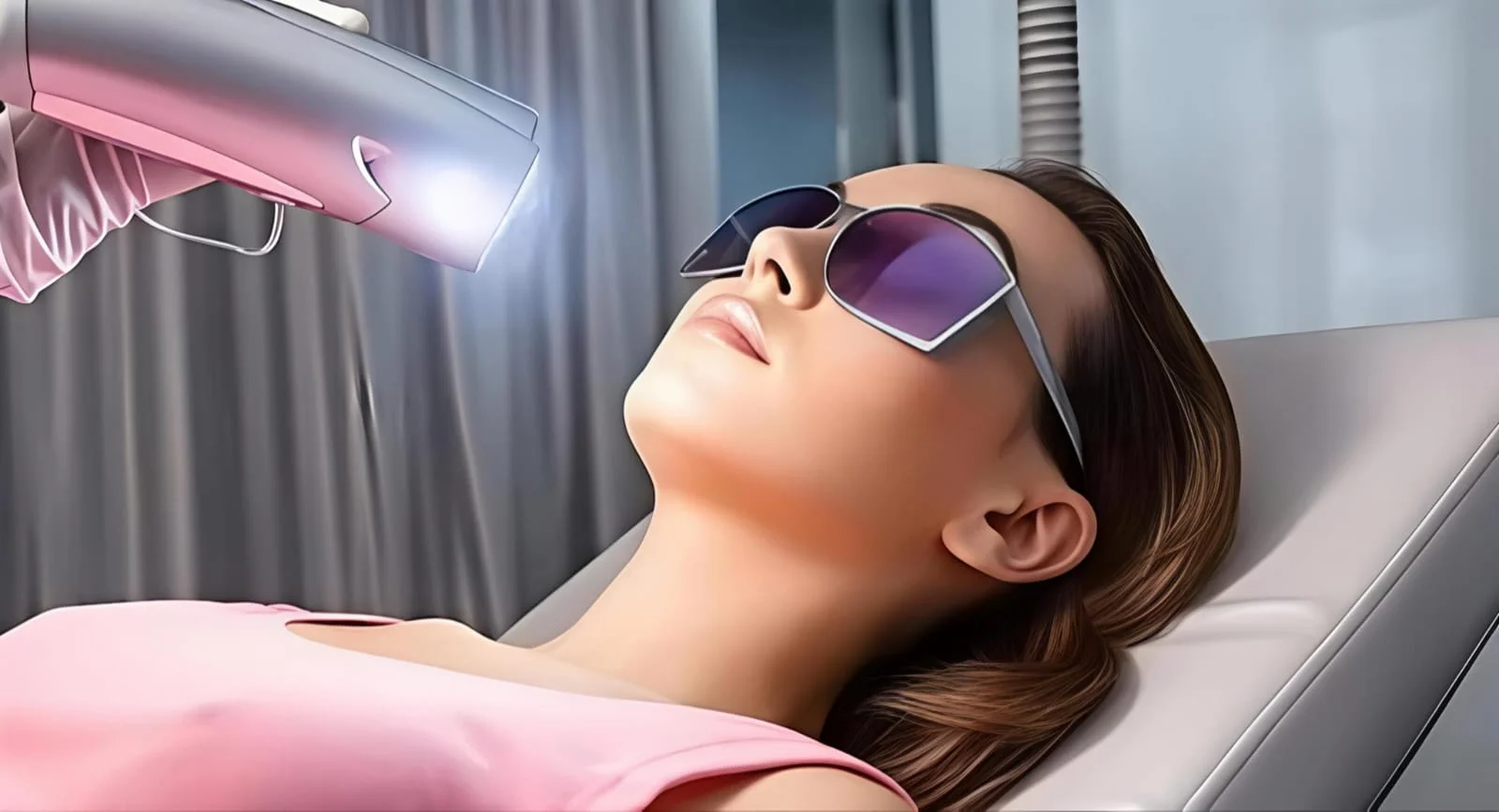
The Future of Aesthetic Technology in Modern Dermatology and Beauty
Aesthetic medicine has changed more in the last decade than in the several before it. What used to require surgery, weeks of downtime, or repeated painful sessions can now often be achieved with a single, well-planned lasers or device treatment. That shift is being driven by one thing above all else: better technology, engineered with a clearer understanding of how skin actually heals.
Take fractional lasers, for example. Rather than treating the entire surface of the skin at once, modern devices work in a fine, controlled pattern — treating thousands of microscopic points while leaving healthy tissue untouched in between. That untouched tissue speeds up healing dramatically, which is why patients today walk out of scar or wrinkle treatments with a fraction of the downtime they would have faced ten years ago.
The same shift shows up in hair reduction. Older single-wavelength lasers worked well for some skin tones and hair types, and poorly for others. Today's Triple-wavelength diode systems combine three wavelengths in one handpiece, giving practitioners the flexibility to safely and effectively treat a much wider range of patients from a single device — without the discomfort that used to come standard with the treatment.
Pigmentation and tattoo removal have seen a similar leap forward with picosecond lasers. Instead of relying on heat to slowly break down pigment — which is exactly what causes many of the side effects patients worry about — picosecond technology delivers energy so quickly that it shatters pigment mechanically, with far less heat reaching the surrounding skin. The result is safer, more comfortable treatment, even for the pigment and ink types that used to be considered stubborn.
Skin tightening and lifting devices have moved in the same direction: combining technologies rather than relying on just one. Pairing radiofrequency microneedling with focused ultrasound, for instance, means a single device can now address fine surface wrinkles and deeper structural sagging in the same session, something that used to require two completely different treatments.
What ties all of this together is a simple idea — precision. The more precisely a device can target its energy, the less collateral damage it causes, and the faster and more comfortably a patient recovers. As this technologies continue to mature, the gap between what a dermatology clinic and a surgical suite can achieve keeps narrowing, and it's patients who benefit most from that progress.
At Sensdermics, staying close to this progress is central to what we do — bringing clinics access to the latest validated laser and aesthetic technologies, so practitioners can offer their patients results that were simply not possible a few years ago.